Relocating to Cary can feel exciting and overwhelming at the same time. You are not just choosing a house. You are also choosing commute patterns, school assignments, home style, and the kind of daily routine you want. This step-by-step plan will help you move through the process with more clarity, fewer surprises, and a stronger strategy for buying in Cary. Let’s dive in.
Start With Your Cary Lifestyle Fit
Cary is not one uniform market. The town’s long-range planning is organized into distinct areas such as Downtown, Eastern Cary Gateway, Carpenter, and Green Level, which is a helpful reminder that your best fit depends on more than price alone. Cary’s community planning framework supports comparing areas by character, access, and development pattern.
Cary is also growing. According to U.S. Census QuickFacts, the population reached 182,659 in 2024, up 4.5% from 2020. That growth helps explain why relocation buyers often need a focused plan early in their search.
A smart first step is to define what matters most in your next move:
- Daily commute time
- School assignment by address
- Walkability and nearby amenities
- Home type, such as single-family, townhome, condo, or infill construction
- Access to parks, trails, and transit
- Budget, including taxes and carrying costs
Compare Cary Areas Intentionally
Downtown Cary for walkability
If you want a more connected, walkable setting, Downtown Cary deserves a close look. Downtown Cary Park sits in the center of downtown, and the town is planning a multi-modal center designed to support local and regional buses, Bus Rapid Transit, future commuter rail, and Amtrak. For many relocation buyers, this is Cary’s clearest option for a more transit-oriented lifestyle.
Eastern Cary Gateway for access
If regional access matters most, the Eastern Cary Gateway is another important area to study. It is accessed by two Interstate 40 interchanges and includes major destinations and redevelopment activity such as Fenton, the Cary Towne Center redevelopment area, WakeMed Soccer Park, and the Triangle Aquatic Center expansion. That mix can appeal to buyers who want convenience and newer mixed-use surroundings.
Newer housing types in mixed-use areas
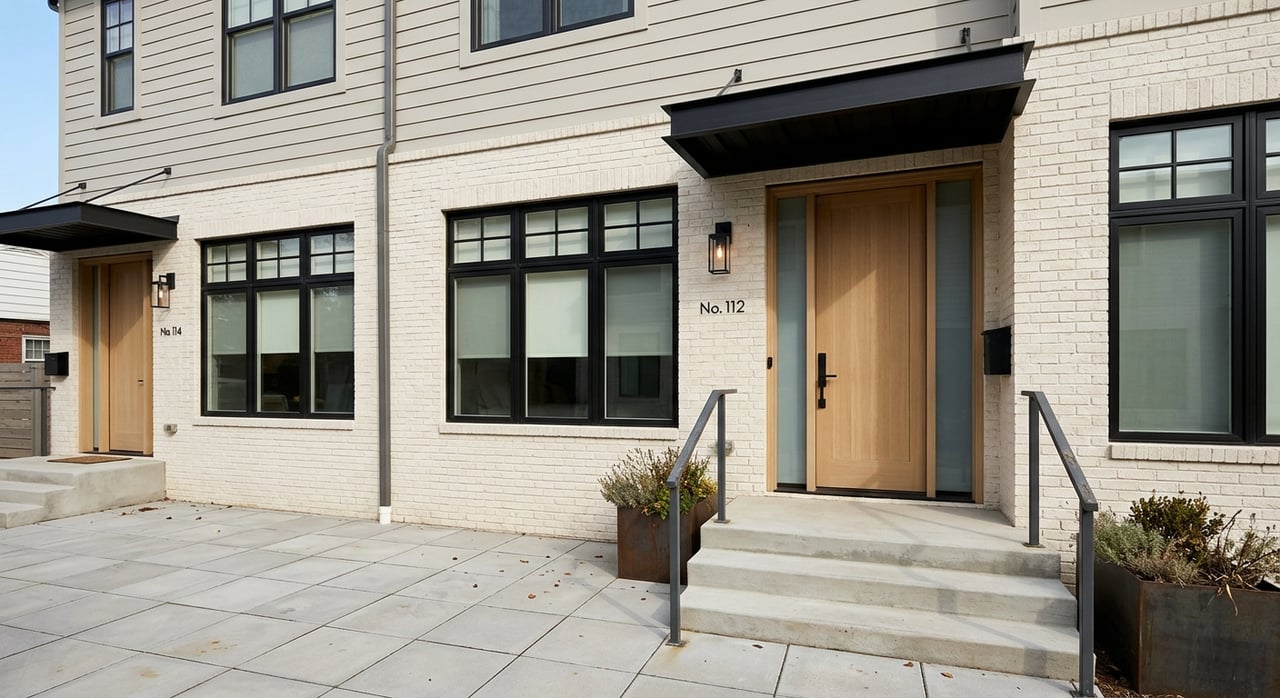
If you are open to something other than a traditional detached home, Cary is actively supporting higher-density and transit-oriented housing in mixed-use centers and along transit corridors. That means your options may include newer townhomes, condos, and infill opportunities in addition to established neighborhoods. This matters because less than 14% of Cary’s developable land remains, according to the State of Cary, so future opportunities are likely to keep shifting toward redevelopment and reuse.
Check Schools by Exact Address
For many buyers, school assignment is one of the first filters in the home search. In Cary, that should always be verified by the specific property address, not by neighborhood name or general assumptions. The Wake County Public School System base school lookup tool is the best starting point.
The same district page also notes that some schools may be capped, although families still register for their base school. If your move is tied to the school calendar, review enrollment timing early. WCPSS lists key documents such as proof of domicile, photo ID, birth certificate, immunization records, and a health assessment form, and it also explains when an Offer to Purchase may be used for enrollment or pre-enrollment.
A practical relocation tip is to check school assignment before you build your showing list. That can save time, especially if you are moving on a tight schedule.
Map Your Commute Before You Tour
A home can look perfect online and still feel wrong if the commute does not work. That is why commute mapping should happen before you spend time touring properties.
Cary offers more than highway access alone. The town’s transportation resources include GoCary fixed-route and door-to-door service, while long-term plans include broader connections through bus, BRT, commuter rail, and Amtrak. If you travel often, Cary also has a staffed Amtrak station listed by NC By Train, and RDU transportation information highlights bus access to the Regional Transit Center plus rail and bus stations in Cary, Raleigh, and Durham.
Regional road access is changing too. The Complete 540 / Triangle Expressway extension opened in September 2024, creating a new connection from N.C. 55 in Apex to I-40/I-42 in Garner. For some buyers, that can affect how they compare south and west Triangle commute patterns.
Before you tour homes, map these routine trips:
- Work commute during likely travel times
- Airport access to RDU
- School drop-off routes if needed
- Frequent destinations such as healthcare, recreation, or family visits
- Rail or bus access if you want alternatives to driving
Use Virtual Touring to Save Time
If you are relocating from out of state or from overseas, you do not need to wait for an in-person trip to begin your search. Virtual tours can be part of a normal and effective homebuying process.
The National Association of Realtors consumer guide notes that once you are working with an agent, a tour can include a live virtual tour, and written buyer agreements are commonly requested before touring. For busy professionals and relocation buyers, this can make your search more efficient and help you narrow the field before you travel.
A strong remote touring plan usually looks like this:
- Define your must-haves and deal-breakers.
- Verify school assignment and commute range.
- Review listing details and neighborhood context.
- Tour top options virtually.
- Plan an in-person visit only for your strongest finalists, if needed.
Get Pre-Approved Early
In North Carolina, a strong offer starts before you ever write one. The NC REALTORS buyer advisory recommends considering lender pre-approval before making an offer.
Pre-approval helps you understand your true budget and monthly comfort level. It also gives you a clearer framework for comparing homes across Cary, especially when property type, tax location, and commute tradeoffs start to shift your monthly costs.
Budget for Taxes by Parcel
One common relocation mistake is estimating taxes too broadly. Cary spans Wake, Chatham, and Durham counties, so tax details should be checked by exact address. The town’s taxes and assessments page makes that especially important.
For FY2026, Cary’s municipal property tax rate is 34.0 cents per $100 of assessed value, while Wake County’s FY2026 rate is 51.71 cents per $100 of assessed value. Because county location can vary within Cary, your monthly carrying cost estimate should always be based on the specific parcel, not a townwide average.
Understand North Carolina Offer Mechanics
North Carolina works a little differently than some other states, and relocation buyers should understand that before they enter negotiations. In many cases, offer strength is not just about purchase price.
According to the NC REALTORS buyer advisory, buyers should make sure the due diligence period is long enough for inspections, appraisal, and financing review. The advisory also explains that the due diligence fee is negotiated, paid directly to the seller, generally non-refundable, and credited toward the purchase price if you close. Earnest money is separate and is usually held in trust by the escrow agent.
That means your offer may be shaped by several moving parts:
- Purchase price
- Due diligence fee
- Earnest money deposit
- Due diligence timeline
- Financing readiness
- Closing timeline
If you are relocating on a deadline, these details matter. A well-structured offer can reduce friction and help align your move, financing, and closing schedule.
Prepare for the Closing Process
Closing in North Carolina has a few steps that may be new if you are moving from another state. The NC REALTORS buyer advisory says buyers should expect an NC-licensed attorney to handle closing, title review, and recording.
The same advisory notes that real property taxes are typically prorated on a calendar-year basis. That is one more reason to review closing estimates carefully and ask questions early, especially if you are coordinating a long-distance move.
Build a Relocation Plan That Reduces Stress
The smoothest Cary moves usually follow a clear order. First, decide what kind of lifestyle and location fit you best. Next, verify schools by address, map your commute, and narrow homes with virtual or in-person tours. Then get pre-approved, review taxes by parcel, and write an offer that reflects North Carolina’s due diligence process.
Cary continues to attract relocation buyers because it offers growth, strong amenities, expanding transportation options, and a wide range of living environments. The State of Cary also reports that 26.3% of residents were born outside the United States, which speaks to the town’s broad appeal for both domestic and international movers.
If you want a guided, concierge-level approach to relocating in Cary, the Saccoh Realty Team can help you build a step-by-step homebuying plan that fits your timeline, priorities, and move with care.
FAQs
What is the first step when relocating to Cary, NC to buy a home?
- Start by defining your priorities for commute, school assignment, home type, walkability, and budget before you begin touring homes.
How do you verify school assignments for a Cary home?
- Use the Wake County Public School System base school lookup tool and confirm assignment by the exact property address.
Are virtual home tours useful for Cary relocation buyers?
- Yes. The National Association of Realtors consumer guide notes that live virtual tours can be part of the home search once you are working with an agent.
What makes a strong offer on a Cary home in North Carolina?
- A strong offer may include more than price, such as lender pre-approval, an appropriate due diligence period, due diligence fee, earnest money, and a workable closing timeline.
Why should Cary buyers check taxes by exact address?
- Cary extends into multiple counties, so tax rates and parcel-specific details can vary based on the home’s exact location.
Is Cary a good fit for buyers who want walkability or transit access?
- Cary offers a mix of options, and Downtown Cary is especially notable for walkability, Downtown Cary Park, and long-term plans for expanded transit connections.