If outdoor access plays a big role in where you want to live, Wake Forest deserves a close look. This town gives you a mix of neighborhood trails, large parks, community events, and nearby lake recreation that can shape your daily routine in a very real way. Whether you are planning a move, narrowing down neighborhoods, or simply want a lifestyle that gets you outside more often, this guide will help you understand what Wake Forest offers. Let’s dive in.
Why Wake Forest Stands Out
Wake Forest has grown from a small rural town into a busy suburban community, but outdoor space still remains a meaningful part of everyday life. Town planning materials point to parks, trails, open space, and the historic built environment as key parts of the local experience.
That matters when you are choosing where to live. A town with a strong outdoor framework can make it easier to build healthy routines, enjoy weekends close to home, and feel more connected to your surroundings.
Wake Forest’s Parks, Recreation & Cultural Resources Department manages 561 acres of parks, open space, natural land, and trails. The town also says its greenway system totals 15.5 miles, giving residents a connected way to walk, bike, and explore different parts of town.
Parks in Wake Forest
Joyner Park is a local anchor
E. Carroll Joyner Park is the town’s largest and newest park at 117 acres. It includes three miles of paved trails for walking, bicycling, and inline skating, along with restored farm buildings, a pecan grove, fishing areas, the Walker Garden, a performance garden, and a 1,000-seat amphitheater.
For many buyers, Joyner Park is more than just a pretty green space. It is the kind of place that supports a daily walk, a casual bike ride, or an easy evening outing without needing to leave town.
The park also hosts recurring events that add energy to the area throughout the year. The town lists Easter Eggstravaganza, Six Sundays in Spring, Concerts in the Park, Good Neighbor Day, and Family Movie Nights at Joyner Park among its regular programming.
Joyner Park Community Center adds indoor options
Next to the park, the Joyner Park Community Center gives residents another layer of active-living convenience. This 32,000-square-foot facility includes a walking track, gymnasium, dance studio, kitchen, and multi-purpose rooms.
If you want a routine that works in different seasons, this kind of setup can be a major plus. The town notes that residents and non-residents ages 11 and older need a Recreation Card to access amenities at Parks, Recreation & Cultural Resources facilities such as the Joyner Park Community Center.
More parks support everyday recreation
Wake Forest’s broader parks system includes baseball and softball fields, soccer fields, a pool, picnic areas, playgrounds, tennis courts, Flaherty Dog Park, and several community facilities. That variety gives you options whether your version of outdoor living means organized sports, dog walks, play spaces, or relaxed weekends outside.
Instead of relying on one destination park, Wake Forest spreads recreation across town. That makes it easier to find activity close to home depending on where you live.
Greenways and Trails
A connected trail network matters
One of the biggest strengths of Wake Forest’s outdoor setup is that the greenways are designed as a connected system. That is often more useful than a few isolated trails because it supports longer walks, bike rides, and practical neighborhood access.
For buyers who value movement and convenience, trail connections can shape how a neighborhood feels on an ordinary Tuesday, not just on a Saturday morning. That daily usability is a big part of the appeal.
Smith Creek, Dunn Creek, and Sanford Creek
The Smith Creek Greenway runs from Burlington Mills Road south toward the Neuse River Greenway. The Dunn Creek Greenway begins at Smith Creek Soccer Center and runs north toward NC-98.
The Sanford Creek trail at Heritage South connects to Rolesville’s Mill Bridge Nature Park. Together, these routes create a strong trail framework for walking, biking, and exploring across a broader section of town.
Downtown-adjacent trail access
Near downtown, the Kiwanis Park Trail links Kiwanis Park, the library, and nearby residential areas including Heath Ridge Village and Deacons Ridge. For someone who wants short neighborhood walks and trail access without needing to drive, that location can be especially practical.
This is one reason some buyers are drawn to areas closer to the town center. You can enjoy a more walkable routine while still staying connected to parks and open space.
Smith Creek Soccer Center as a trail hub
The Smith Creek Soccer Center sits within the Heritage subdivision and serves as an important activity hub. It includes soccer fields, a playground, a picnic shelter, and connections into the Smith Creek, Sanford Creek, and Dunn Creek greenway network.
If you are comparing neighborhoods based on recreation access, this part of town is worth attention. It blends organized sports infrastructure with direct access to longer trail routes.
Falls Lake Expands Your Options
Wake Forest’s in-town parks and greenways are a strong draw, but nearby Falls Lake adds another dimension to the local lifestyle. Falls Lake State Recreation Area spans Durham and Wake counties and offers seven access areas to the reservoir.
The state park lists hiking, biking, paddling, swimming, fishing, picnicking, camping, boat ramps, and beach access among its core activities and amenities. For many residents, that means you can pair your weekday routine in town with lake days or trail outings on the weekend.
For Wake Forest residents, the most relevant access points include Beaverdam, Highway 50, Sandling Beach, Shinleaf, B.W. Wells, and Holly Point. That close connection to a major recreation area gives Wake Forest a nice balance of suburban convenience and outdoor variety.
Sports, Fitness, and Active Routines
Leagues for different stages of life
Wake Forest supports more than casual outdoor recreation. The town offers youth leagues in basketball, baseball and softball, flag football, girls volleyball, and tennis.
Adult leagues include kickball, pickleball, softball, and tennis. The town also highlights free-agent registration for some adult leagues, which can make participation easier if you do not already have a team.
Active aging options
The Wake Forest Center for Active Aging adds another important piece to the lifestyle picture. The center offers adults 55 and older recreational programming such as fitness, arts and crafts, clubs, and other classes.
The town reported that one recent month included 50 fitness classes, 18 arts and crafts offerings, plus multiple support groups and clubs. If you are looking for a home base that supports an active routine later in life, that kind of programming can be very meaningful.
Outdoor Events Build Community
A strong outdoor lifestyle is not only about trails and fields. It is also about whether a town regularly uses its public spaces in ways that bring people together.
Wake Forest’s calendar includes downtown and park-based events such as Meet in the Street, Friday Night on White, Forest Fest, Wake Forest Unplugged, the Fireworks Spectacular, the Children’s Parade, National Trails Day 5K/3K, and the annual outdoor concert series at Joyner Park.
These recurring events show how parks, sidewalks, and downtown streets function as regular gathering spaces. If you want a town where outdoor spaces feel active and lived-in, this is an important part of the story.
Neighborhoods for Outdoor Living
Downtown and historic areas
The historic core around downtown and North Main includes older housing stock and four historic districts, including the Downtown Wake Forest Historic District and the Wake Forest Historic District. The local historic district includes the original Wake Forest College campus area and surrounding residences.
For buyers who enjoy older streetscapes and a more walkable downtown routine, this part of town offers a different feel from newer edge-of-town subdivisions. It can be a fit if you want proximity to Main Street, civic spaces, and shorter neighborhood outings.
Heritage and recreation-focused living
The Heritage area tends to stand out for buyers who want a more master-planned, recreation-oriented setting. The town identifies Heritage High School Park as part of the Heritage community master plan, and Smith Creek Soccer Center sits within the Heritage subdivision as a key part of the greenway network.
If your priority is easy access to fields, trails, and a more structured recreational environment, this area may align well with your goals. It is often a practical place to start your search if active living is high on your list.
Lower-maintenance home options
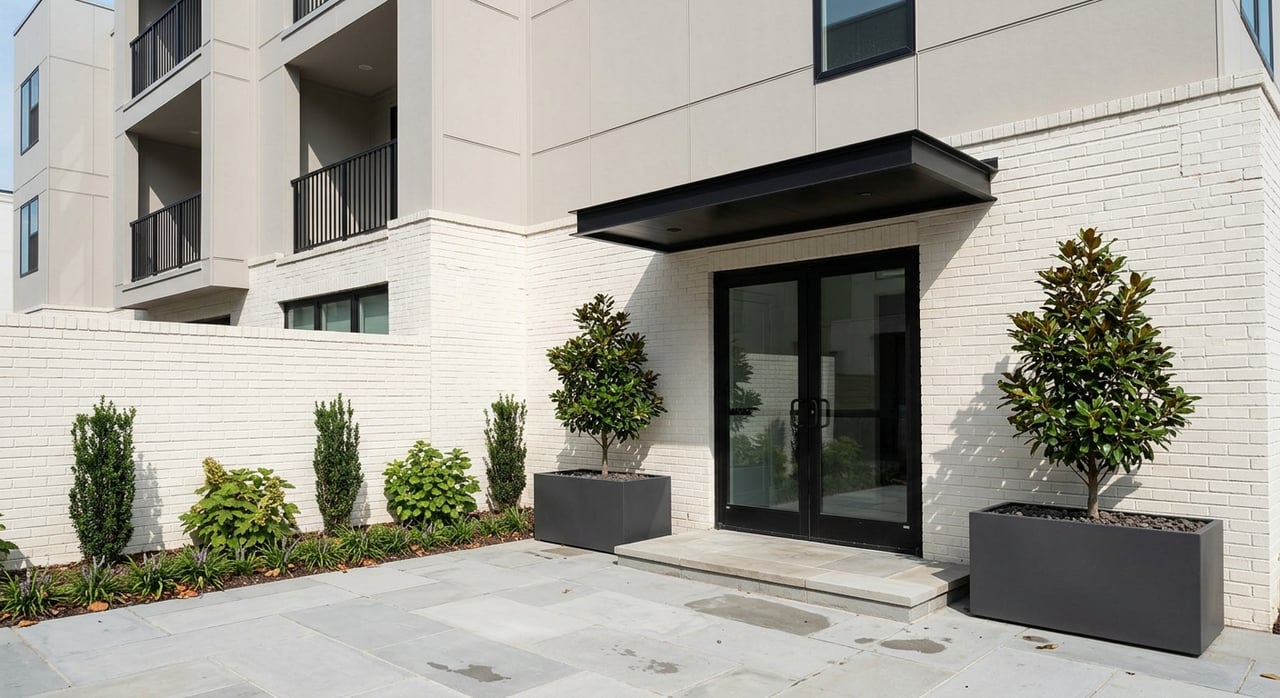
Wake Forest’s housing mix is still led by single-family detached homes, but town planning documents also identify townhomes, duplexes, condos, and other multifamily pockets. Examples named in town data include Heritage Place Townhomes, Holding Village North Lake, Holding Village Phase 9 Lakeside Townhomes, Traditions Townhomes, Tyler Run Condos, Wildflower Towns at Heritage South, and Willows at Traditions.
If you want outdoor access with less exterior upkeep, attached-home areas around Holding Village and Traditions may be worth exploring. These options can appeal to buyers who want to spend more time enjoying the area and less time managing a larger property.
Who Wake Forest Fits Best
Buyers who love walking and biking
If you want trails to be part of your weekly routine, Wake Forest gives you several good options. Joyner Park, Smith Creek Greenway, Dunn Creek Greenway, Sanford Creek, and Falls Lake all support walking, biking, and outdoor exploration.
Buyers looking for family-friendly activities
If your weekends often revolve around community events, youth sports, and parks, Wake Forest offers a steady activity calendar. Youth leagues, Heritage High School Park, the Fireworks Spectacular, and recurring Joyner Park events all contribute to that rhythm.
Active adults and retirees
If you are planning for a lifestyle that stays social and active, Wake Forest has useful infrastructure in place. The Wake Forest Center for Active Aging and Joyner Park Community Center both support movement, programming, and connection.
How to Choose the Right Area
When you tour Wake Forest, try to look beyond the home itself and think about how you want your days to feel. Do you want quick access to downtown walks, nearby greenways, sports facilities, or a lower-maintenance home near recreation?
A neighborhood can look great on paper but feel very different once you match it to your routine. The right fit often comes down to how close you want to be to trails, parks, community events, and the kind of home maintenance you want to take on.
If you are planning a move to Wake Forest, working with a local team can help you narrow the search based on lifestyle, not just square footage. The Saccoh Realty Team offers thoughtful, personalized guidance to help you find a home that fits the way you actually want to live.
FAQs
What outdoor amenities does Wake Forest, NC offer?
- Wake Forest offers 561 acres of parks, open space, natural land, and trails, plus a 15.5-mile greenway system, sports fields, playgrounds, tennis courts, a pool, picnic areas, and a dog park.
What is special about Joyner Park in Wake Forest?
- E. Carroll Joyner Park is a 117-acre park with three miles of paved trails, restored farm buildings, fishing, gardens, a pecan grove, and a 1,000-seat amphitheater, along with recurring community events throughout the year.
Are there trails near downtown Wake Forest?
- Yes. The Kiwanis Park Trail connects Kiwanis Park, the library, and nearby residential areas including Heath Ridge Village and Deacons Ridge, making short neighborhood walks and trail access more convenient near downtown.
Is Falls Lake close to Wake Forest, NC?
- Yes. Falls Lake State Recreation Area is a nearby option for Wake Forest residents and offers hiking, biking, paddling, swimming, fishing, picnicking, camping, boat ramps, and beach access.
What Wake Forest neighborhoods may fit an active lifestyle?
- Buyers often look at downtown-adjacent areas for walkable routines, Heritage for recreation-focused living and trail access, and attached-home areas such as parts of Holding Village and Traditions for lower-maintenance living near outdoor amenities.
Does Wake Forest offer programs for active adults?
- Yes. The Wake Forest Center for Active Aging offers adults 55 and older recreational programming that includes fitness, arts and crafts, clubs, and other classes.