If you are getting ready to sell in Wake Forest, one question matters more than almost any other: Will your home stand out for the right reasons? In a market where buyers have more choices and new construction is part of the competition, pricing too high or showing less-than-polished can cost you valuable momentum. The good news is that with the right pricing strategy and presentation plan, you can position your home to compete confidently. Let’s dive in.
Understand the Wake Forest market
Wake Forest sellers are working in a market with a median listing price of $525,000, a median sold price of $454,000, 759 active listings, and a median of 39 days on market as of April 2026. That tells you two important things. Buyers have options, and homes need to be priced and presented with care.
The local numbers also show why broad averages can be misleading. Heritage had a median listing price around $642,450, Stonegate at St. Andrews around $549,900, Northeast Wake Forest around $385,000, and Hasentree around $1.34 million. If you want a realistic pricing strategy, your home should be compared to similar homes in your immediate submarket, not just the town as a whole.
Price from sold comps first
A strong list price starts with recent comparable sales. In Wake Forest, the sale-to-list ratio was about 99% in March 2026, which suggests that well-priced homes can still sell near asking. At the same time, the gap between the median listing and median sold price shows why overreaching can lead to more time on market.
That matters even more as inventory rises. Active listings were up 21.75% year over year in April 2026, so buyers can compare more homes side by side. When they do, they tend to notice pricing gaps quickly.
Why townwide averages are not enough
Wake Forest has meaningful price differences by area and price point. A home in Hasentree should not be measured against a townwide median, and a home in Northeast Wake Forest should not be priced off luxury benchmarks. The buyer pool, expectations, and price sensitivity are different.
This is where neighborhood-specific comp selection becomes critical. If your home is upper-midrange or luxury, your pricing should reflect the standards and sales activity of similarly positioned properties nearby. That gives you a far more accurate launch point.
Avoid aspirational pricing
It is tempting to “test the market” with a higher number. In practice, that can backfire when buyers see better-priced alternatives or shift attention to new construction. A home that starts high may lose early interest, and that first wave of buyer attention is often the most valuable.
A better approach is to price with intention from day one. In today’s Wake Forest market, a realistic price paired with strong presentation often creates better traction than an optimistic price and a wait-and-see strategy.
Account for resale versus new construction
Wake Forest is still adding housing supply. The town’s planning department had multiple single-family, townhome, multifamily, and mixed-use projects under review in January 2026. That means your resale home may be competing not only with other listings, but also with newly built options.
For buyers, new construction can offer lower maintenance but may come with higher upfront costs. Existing homes can offer established surroundings and more room for negotiation. To compete well, your home needs to feel move-in ready, well cared for, and worth the asking price.
Focus on presentation before listing
Once pricing is grounded in the right comps, presentation becomes the next major lever. In a market with more inventory, small differences in appearance can influence whether buyers schedule a showing, linger online, or move on.
The goal is not to over-improve. It is to make your home feel clean, cared for, and easy for buyers to imagine living in.
Start with curb appeal
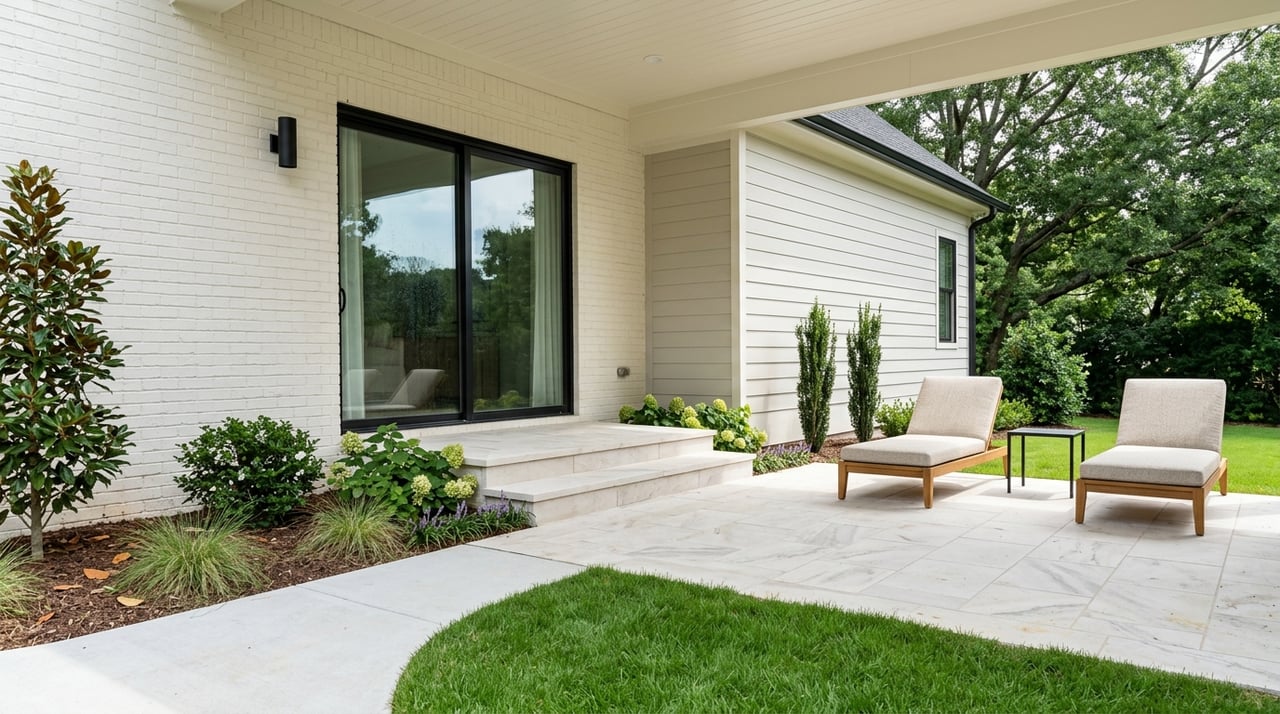
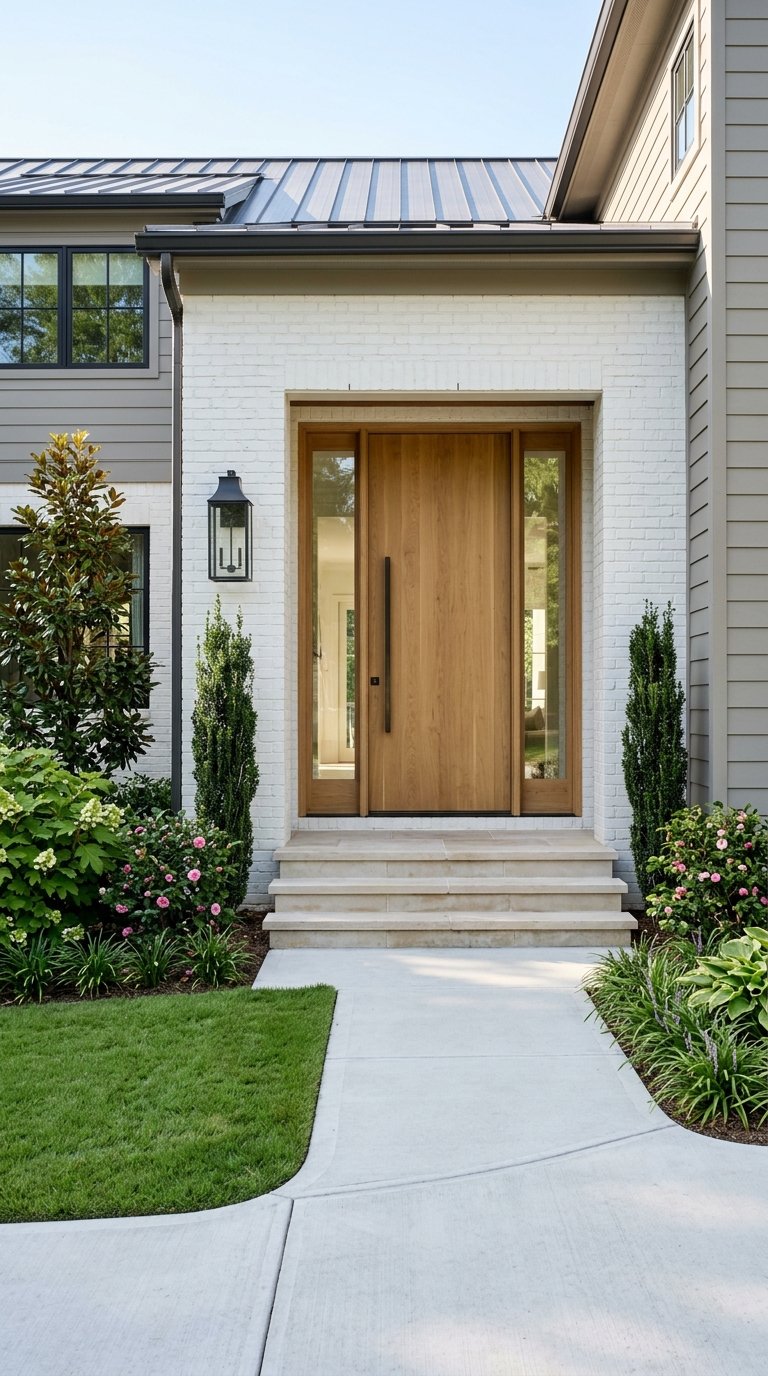
Your exterior is the first impression buyers get, both online and in person. NAR reports that 92% of REALTORS have suggested sellers improve curb appeal before listing, and 97% say curb appeal is important in attracting a buyer.
That does not mean a full exterior overhaul. Simple steps like tidying the yard, refreshing mulch, cleaning walkways, and making the entry look polished can help your home feel more inviting from the start.
Make smart cosmetic updates
Not every pre-list project pays off equally. According to NAR’s 2025 remodeling discussion, agents most often recommended painting, checking the roof, and in some cases making kitchen updates. These are the types of improvements that can lift overall appeal without pushing you into a major renovation.
If you are deciding where to invest, think about visibility first. Fresh paint, obvious maintenance fixes, and a clean, functional kitchen tend to shape buyer perception quickly. Buyers often notice signs of deferred upkeep, even when the issue itself is minor.
Declutter and deep clean
This step is simple, but it carries real weight. NAR’s staging report found that the most common seller recommendations were decluttering at 96% and whole-home cleaning at 88%. Removing pet distractions during showings was also commonly recommended.
Decluttering helps rooms feel larger and calmer. A deep clean signals that the home has been maintained. Together, those steps can improve how buyers respond both in listing photos and during in-person visits.
Stage the rooms that matter most
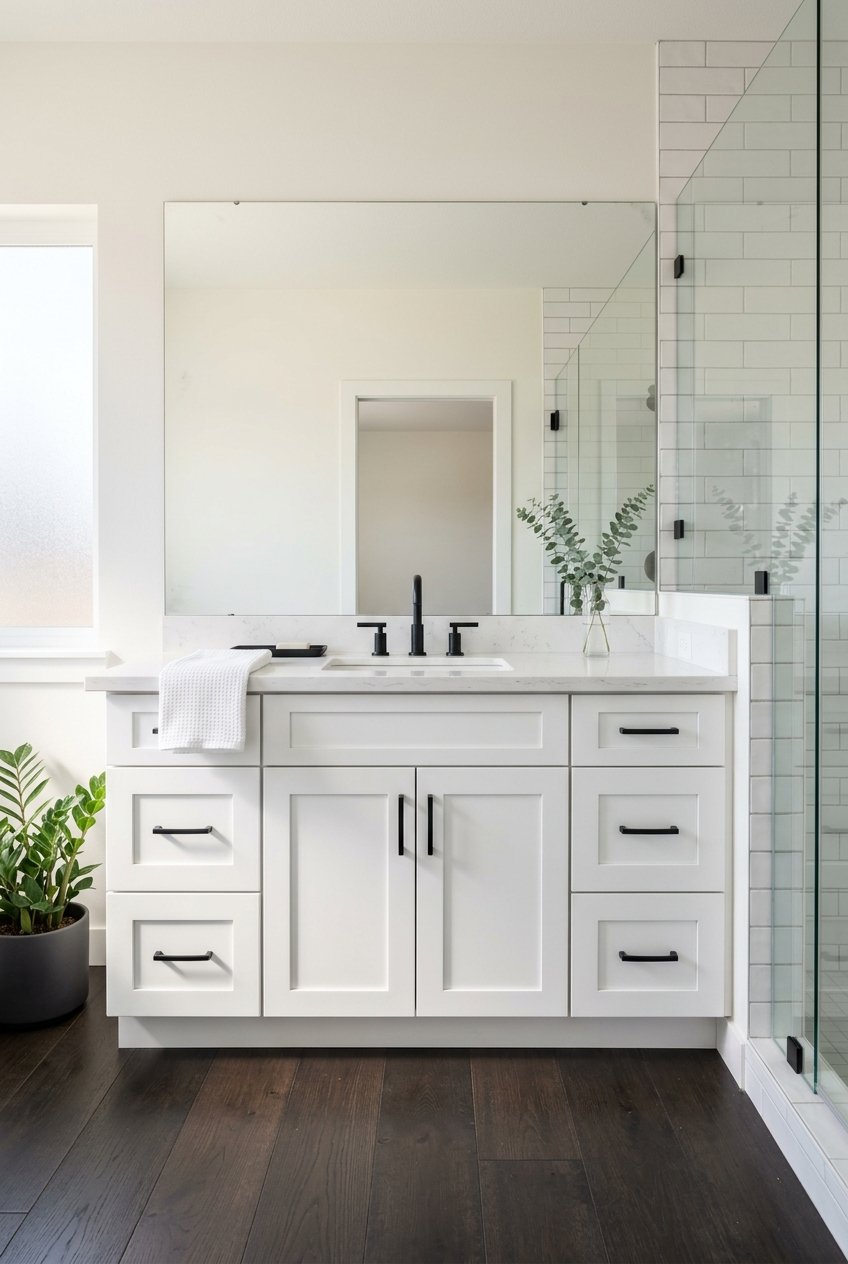
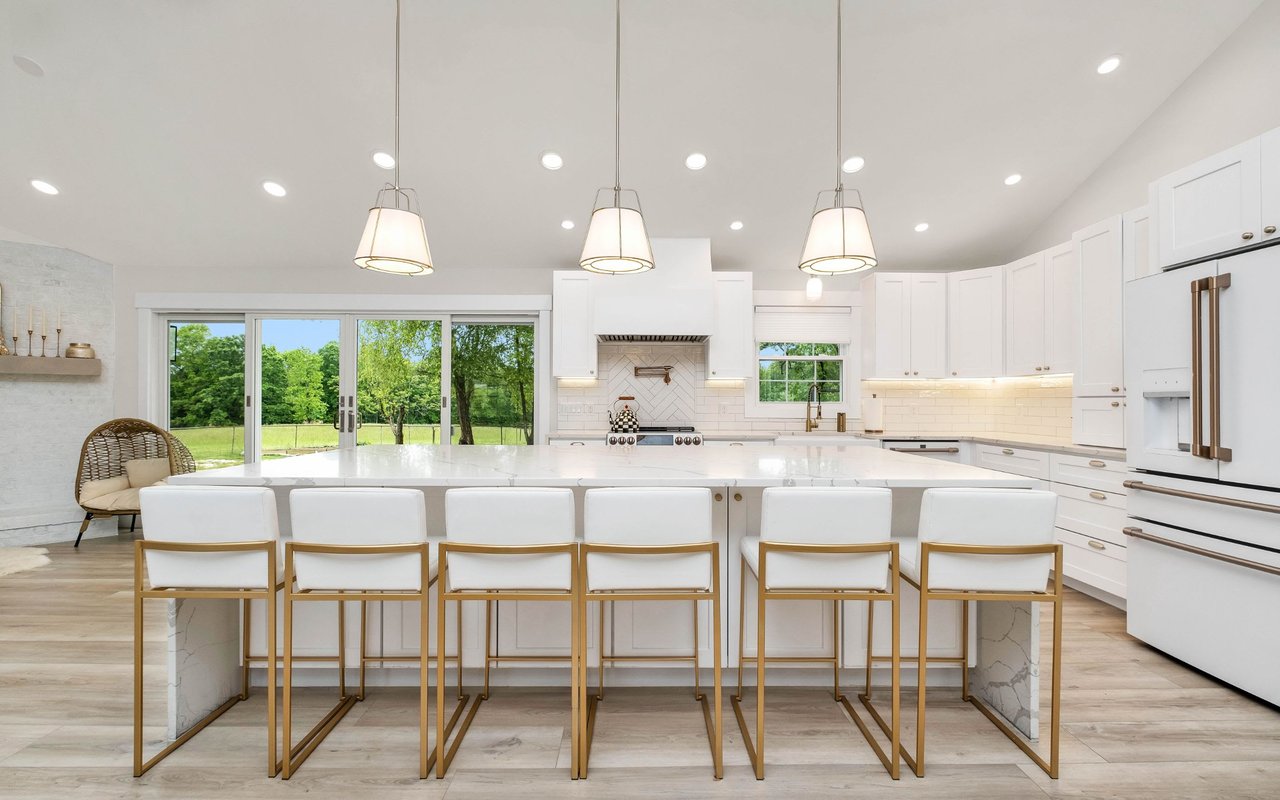
If you are staging selectively, focus on the spaces buyers notice first. NAR found that the most commonly staged rooms were the living room, kitchen, primary bedroom, and dining room, with bathrooms also frequently staged.
These rooms shape the emotional impression of the home. They help buyers understand how the home lives day to day, and they often carry the most visual weight in listing photos.
Keep the look simple and intentional
A good staging plan does not need to feel busy or overly personal. Clean lines, balanced furniture placement, and a lighter, more open look can help your home appeal to a wider range of buyers. This is especially useful in Wake Forest, where buyers may be comparing your listing to polished resale homes and builder model homes.
Aim for a presentation that feels fresh, bright, and easy to read. That usually means fewer personal items, fewer oversized furnishings, and more attention to natural light and flow.
Do not underinvest in listing media
Online presentation is no longer optional. NAR found that buyers’ agents said photos were much more or more important to clients 77% of the time, videos 74%, and virtual tours 42%. Buyers were also viewing a median of 12 homes virtually before seeing a median of 7 in person.
That means your listing media often does the first showing before a buyer ever steps through the door. If the visuals are flat, dark, or incomplete, many buyers may never schedule a visit.
Why strong media matters in Wake Forest
Wake Forest sellers are competing in a market with rising supply and an active development pipeline. Professional photography, video, 3D tours, and aerial imagery can help your home stand out when buyers are scanning multiple options online.
This is also one reason staging and media work so well together. NAR found that 20% of buyers’ agents said staging increased the dollar value offered by 1% to 5%. Better presentation can improve both the quality of attention your home gets and the strength of the offers it attracts.
Time your launch, but do not rely on timing alone
Spring has historically been a strong period for listings, and Realtor.com’s 2026 analysis identified April 12 through 18 as the top week nationally. The same analysis also noted that homes often show better with stronger natural light, better weather, and improved curb appeal.
Still, timing is only part of the picture. A well-prepared home with accurate pricing and polished presentation usually has a stronger advantage than a poorly prepared home launched in a popular week. If you want the best results, treat timing as a bonus, not the whole strategy.
Prepare disclosures early
Before your home hits the market, it helps to gather required disclosure documents early. In North Carolina, sellers of most residential properties must provide a Residential Property Disclosure Statement and an Owners’ Association and Mandatory Covenants Disclosure Statement. State law requires disclosure of items such as structural, mechanical, infestation, environmental, and association-related matters, including dues and transfer fees where applicable.
The North Carolina Real Estate Commission also states that most residential sellers must provide the Mineral and Oil and Gas Rights Mandatory Disclosure Statement before an offer is made, with limited exceptions. Preparing these documents before launch can help your sale move more smoothly once buyer interest arrives.
Build a pricing and presentation plan together
Selling well in Wake Forest is not about guessing the highest number the market might accept. It is about aligning price, condition, and marketing so buyers see clear value from the moment your home goes live.
In this market, small pricing gaps and small presentation gaps can both affect your outcome. When your strategy is tailored to your neighborhood, your price point, and the homes buyers are comparing side by side, you give yourself a better chance to attract serious interest and stronger offers.
If you are preparing to sell in Wake Forest and want a thoughtful, polished strategy from day one, Saccoh Realty Team can help you build a bespoke plan for pricing, presentation, and launch.
FAQs
How should you price a home in Wake Forest, NC?
- Start with recent sold comps, current market conditions, and your home’s specific features. In Wake Forest, neighborhood and price band matter because values vary widely by submarket.
Why does presentation matter for Wake Forest home sellers?
- Presentation matters because buyers have more choices, including resale homes and new construction. Clean condition, strong curb appeal, staging, and professional media can help your home stand out.
Which rooms should Wake Forest sellers stage first?
- If you are staging selectively, prioritize the living room, kitchen, primary bedroom, and dining room. Bathrooms also deserve attention because buyers notice them quickly.
Do Wake Forest sellers need professional listing photos and tours?
- Strong media is highly valuable because many buyers start online. Professional photos, video, 3D tours, and aerials can improve interest before buyers ever schedule a showing.
What disclosures do home sellers need in North Carolina?
- Most residential sellers must provide a Residential Property Disclosure Statement, an Owners’ Association and Mandatory Covenants Disclosure Statement, and usually the Mineral and Oil and Gas Rights Mandatory Disclosure Statement before an offer is made.